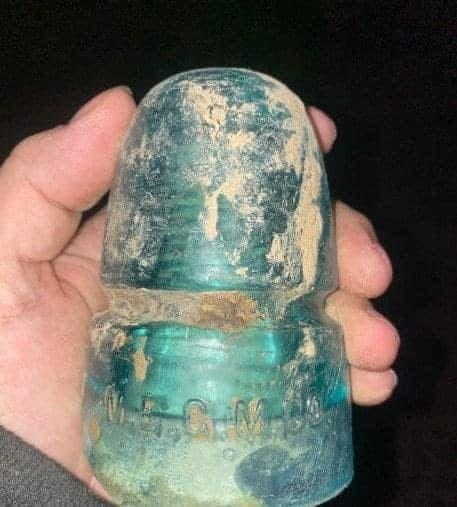
Every now and then, the internet becomes fascinated by something surprisingly ordinary.
This time, it’s those small glass or porcelain objects sitting quietly on top of old telephone poles — items many people have seen but rarely questioned.
At first glance, they look decorative. Almost like forgotten relics from another era.
But in reality, they once played a vital role in keeping the world connected.

The Hidden Purpose Behind the Mystery
These objects are called insulators, and despite their simple appearance, their job was incredibly important.
They were designed to hold electrical and communication wires in place while preventing the current from escaping into the wooden pole or the ground below.
Without them, early telephone and telegraph systems wouldn’t have worked properly. Signals could weaken, electricity could leak, and long-distance communication would become unreliable.
In a way, these small objects helped carry voices across miles — long before smartphones and instant messaging existed.
Designed for Function — and Variety
In earlier days, insulators were commonly made from glass or porcelain. If you look closely, you’ll notice they often come in different shapes, sizes, and even colors.
That wasn’t just for style.
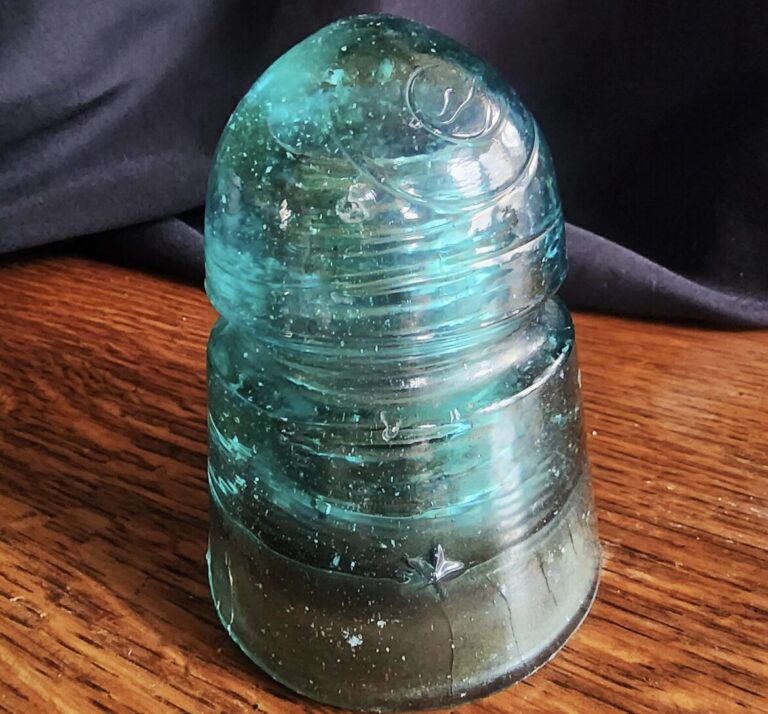
Different designs were used depending on the type of line they supported. Lower-voltage telephone wires needed smaller insulators, while high-voltage power lines required larger ones with wider shapes to prevent electrical “flashover” — when electricity jumps across gaps.
Their structure kept wires safely separated and ensured everything stayed running smoothly.
From Utility to Collectible
What’s even more surprising is that these once-common objects have become collectibles.
When older communication lines were replaced or buried underground, many insulators were left behind. Over time, people began to notice their unique shapes and colors — and a niche community of collectors was born.
Some are drawn to their vintage aesthetic, using them as decorative pieces. Others search for rare models, some of which can be quite valuable.
Many of the insulators still found today are decades old — some even over a century — making them small pieces of history.
A Quiet Legacy
Today, they may seem outdated, sitting silently on poles that many no longer notice.
But these humble objects once helped power communication across cities, towns, and entire countries.
So the next time you spot one, take a moment to look closer.
What seems like a strange little object might actually be a reminder of how the world stayed connected — long before the digital age took over.