Few films capture the unpredictable magic of early ’80s comedy quite like Night Shift. Pairing the understated charm of Henry Winkler with the explosive, offbeat energy of Michael Keaton, the movie delivered a fresh kind of humor that audiences didn’t quite expect—but instantly loved.
Directed by Ron Howard in his first major outing behind the camera, Night Shift went on to become a cult favorite, blending quirky storytelling with unforgettable performances. Add Shelley Long’s warmth and comedic timing—and even a blink-and-you-miss-it appearance by Kevin Costner—and you have a film packed with hidden gems.
From Morgue to Mayhem
Released in 1982, Night Shift tells the story of Chuck Lumley (Winkler), a mild-mannered morgue attendant, whose quiet routine is turned upside down by his eccentric new coworker, Bill “Blaze” Blazejowski (Keaton).
What begins as an unlikely partnership quickly spirals into chaos when the two stumble upon a bizarre business idea—running an escort service out of the morgue. The result? A string of hilarious situations that balance absurdity with surprising heart.
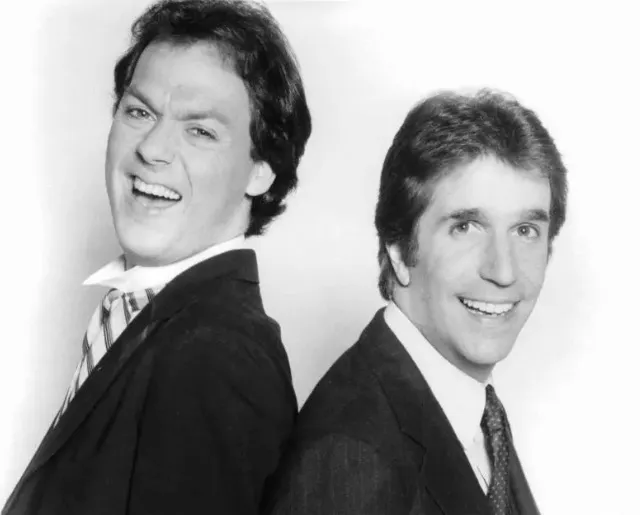
But beyond the plot, what truly elevates the film is the chemistry between its leads. Winkler’s reserved nature plays perfectly against Keaton’s manic brilliance, creating a dynamic that feels both awkward and authentic.
Michael Keaton’s Breakout Moment
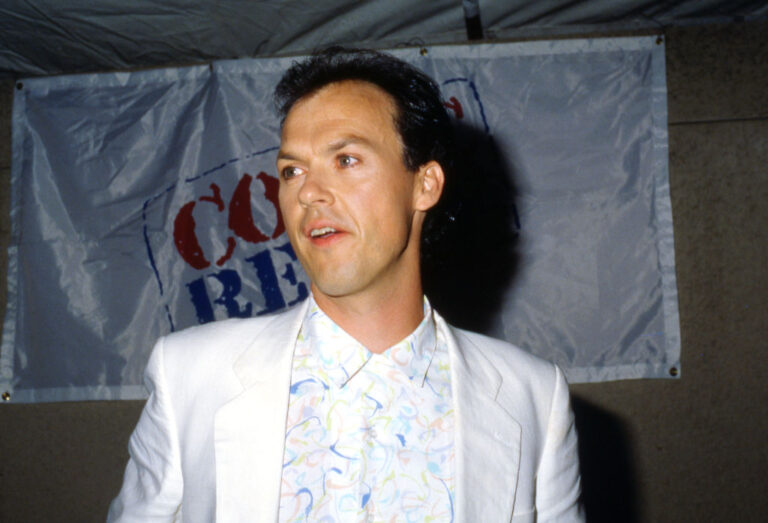
Before Night Shift, Michael Keaton was largely unknown. This film changed everything.
His performance as Blaze was electric—fast-talking, unpredictable, and impossible to ignore. In fact, Keaton’s improvisational style brought an extra layer of spontaneity to the film, making many scenes feel alive and unscripted.
Interestingly, he wasn’t the first choice. Big names like Bill Murray, John Belushi, and Dan Aykroyd were considered—but passed.
That opened the door for Keaton—and the rest is history.
The Quiet Power of Henry Winkler
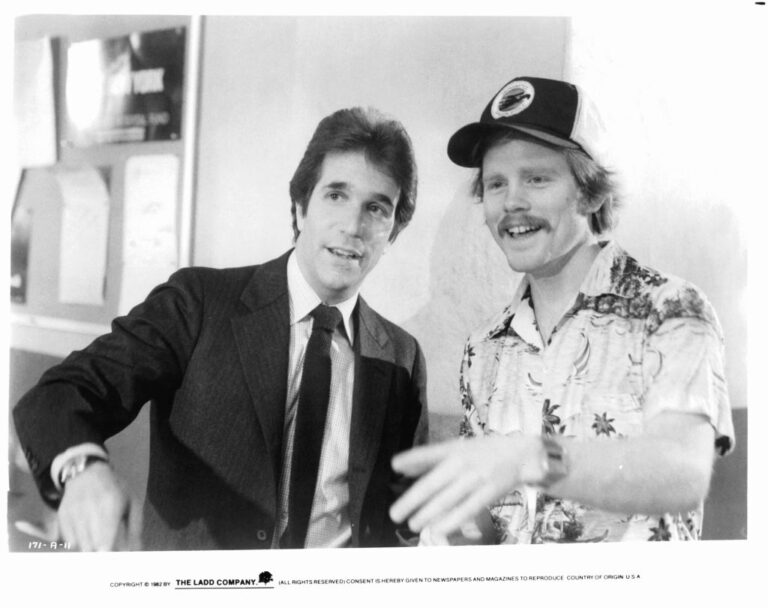
At the time, Henry Winkler was already famous as “The Fonz.” Choosing to play the shy, reserved Chuck was a deliberate move to break away from that image.
Behind the scenes, Winkler played a crucial role in shaping the film’s success. He supported Keaton’s performance, even encouraging him to push scenes further for comedic effect. Their early discomfort with each other, surprisingly, added authenticity to their on-screen relationship.
Shelley Long’s Memorable Role
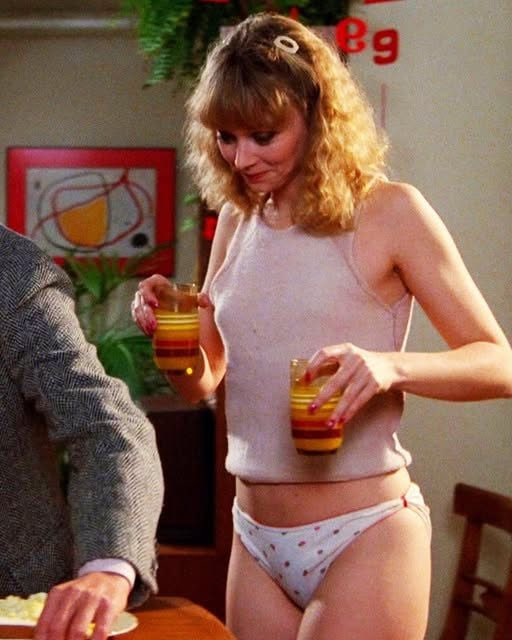
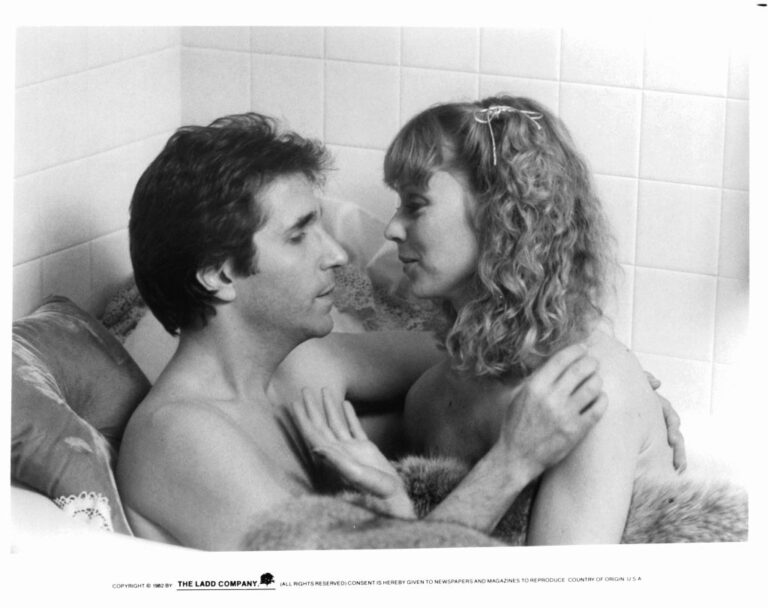
Shelley Long brought both humor and heart to the film as Belinda, a kind-hearted woman caught in difficult circumstances.
Though initially hesitant about the role, Long embraced it fully—delivering a performance that critics described as both charming and unexpectedly wholesome.
One standout moment? The famous kitchen scene—equal parts funny, awkward, and iconic.
Hidden Cameos and Fun Details
Night Shift is filled with small surprises for attentive viewers:
- Ron Howard appears briefly, along with his wife.
- His brother, Clint Howard, also shows up in a quirky role.
- A young Kevin Costner appears as a partygoer.
- Shannen Doherty makes her film debut with a single line.
Even the film’s music left a legacy—featuring early versions of songs that would later become global hits.
Improvised Moments That Made It Special
One of the film’s most charming qualities is how natural it feels—and that’s no accident.
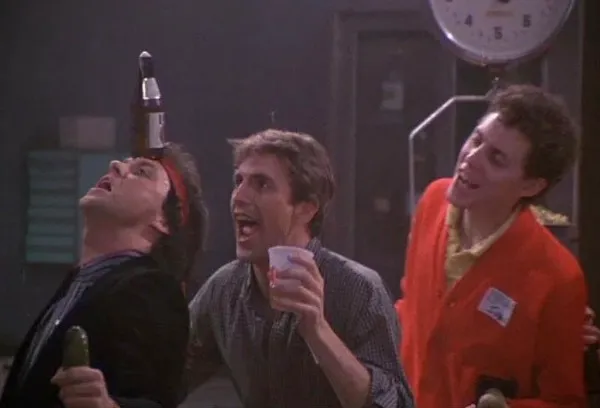
Keaton’s improvisation shines in scenes like the famous “check-writing” gag, where his quick wit turns a simple moment into comedy gold. These unscripted touches gave the film a unique rhythm that set it apart from other comedies of the time.
A Cult Classic That Still Holds Up
Despite modest expectations at release, Night Shift grossed over $21 million and steadily built a loyal fanbase.
What keeps people coming back isn’t just the humor—it’s the heart beneath the chaos. At its core, the film is about unlikely friendships, personal growth, and finding connection in the most unexpected places.
Decades later, it remains a standout example of how the right cast, the right timing, and a bit of creative risk can turn a simple idea into something unforgettable.
What’s your favorite moment from Night Shift?
Some films fade with time—but this one still knows how to make people laugh.