Iranian Parliamentary Vote Draws Global Focus on Key Waterway
HT13. BREAKING: IRANIAN PARLIAMENT APPROVES THE CLOSURE OF THE E…See more
April 5, 2026 – by edmpackz – Leave a Comment
Iranian Parliamentary Vote Draws Global Focus on Key Waterway
In recent days, the international community has sharply shifted its attention to the Middle East following reports that the Iranian Parliament has sanctioned a measure related to the potential closure of a vital maritime passage. Although comprehensive implementation details are still under examination and subject to additional governmental processes, the mere announcement has been sufficient to create ripples across global energy markets, shipping sectors, and diplomatic circles.
This development underscores the close interconnection of modern economies with a limited number of strategic routes that facilitate the movement of energy resources and commercial goods. Even in the absence of immediate action regarding the waterway, the decision has already heightened discussions among policymakers, security analysts, economists, and international observers concerning risk, preparedness, and global interdependence.
The Significance of This Maritime Route
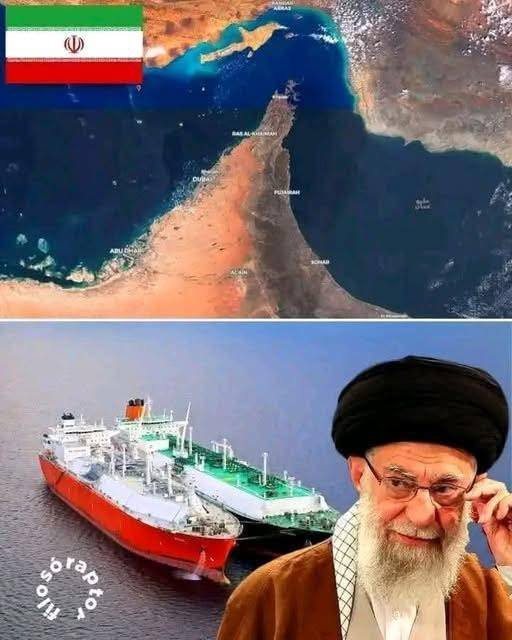
The waterway at the heart of these discussions is the Strait of Hormuz, a narrow channel linking the Persian Gulf to open seas. Despite its limited width, it holds a disproportionately significant role in the global economy. A considerable share of the world’s oil and liquefied natural gas exports traverse this route daily, establishing it as one of the most strategically crucial maritime corridors on the planet.
Given that numerous energy-producing nations depend on this passage to access international markets, any perceived threat to uninterrupted transit swiftly raises concerns that extend well beyond the region itself. Refiners, shipping companies, insurers, and governments all closely monitor developments related to the strait, fully aware that disruptions could rapidly lead to increased costs and economic uncertainty on a global scale.
Market Reactions Often Come First
One of the key characteristics of contemporary geopolitical events is the rapidity with which markets react. Financial analysts often observe that commodity markets, especially oil futures, tend to respond well in advance of governmental policy finalizations. Even initial announcements or political signals can instigate price fluctuations as traders strive to predict future supply scenarios.
In this context, energy analysts have highlighted that the mere prospect of limited access is sufficient to heighten volatility. Oil prices, shipping insurance costs, and freight charges frequently increase not due to confirmed disruptions, but rather because of prevailing uncertainties. Businesses incorporate risk into their assessments, and this risk is ultimately transmitted down the supply chain.
For consumers, this situation can result in elevated fuel prices, higher transportation expenses, and inflationary pressures on everyday products. While the long-term effects are contingent upon the unfolding of events, the initial reactions illustrate how responsive global systems are to changes in critical transit areas.
Strategic and Legal Considerations
In addition to economic factors, the scenario presents intricate issues concerning international maritime law and regional security. Legal experts indicate that significant shipping lanes are regulated by a network of international treaties aimed at ensuring navigational freedom. Any challenge to this framework may lead to diplomatic discussions and, in certain instances, coordinated actions from several nations.
Security analysts frequently reference historical examples when evaluating such occurrences. During previous times of increased tension involving strategic waterways, naval patrols were augmented, international alliances were established, and diplomatic talks were intensified. These actions were not solely focused on immediate conflict but were also aimed at preserving stability and averting miscalculations.
From a military planning standpoint, even theoretical scenarios necessitate preparation. Defense specialists emphasize that deterrence and communication strategies are essential to manage potential threats effectively.
The Broader Economic Implications
The interconnected nature of today’s global economy implies that developments in one region can swiftly impact distant markets. Energy security is not solely a concern for producing nations; it also influences manufacturing hubs, consumer economies, and developing countries alike.
Economists point out several potential areas of impact if uncertainty continues. Disruptions in supply chains could affect industries that rely heavily on predictable shipping schedules. Inflationary pressures may rise if transportation and energy costs increase simultaneously. Investment decisions could be postponed as companies await clearer signals regarding stability.
This is why numerous policy advisors stress the significance of diversification. Countries and corporations that depend on multiple energy sources, alternative routes, or strategic reserves are typically better equipped to withstand shocks. Over the past decade, diversification has emerged as a central theme in discussions surrounding energy and trade policy, particularly due to scenarios like this one.
Diplomatic Efforts Behind the Scenes
While headlines frequently spotlight parliamentary votes or official statements, much of the substantive work during such times occurs quietly through diplomatic channels. Reports suggest that governments across various regions are actively participating in discussions aimed at clarifying intentions, minimizing misunderstandings, and exploring avenues for de-escalation.
Diplomacy in these contexts is seldom straightforward. It requires balancing national interests, domestic political factors, and international expectations. Nonetheless, history demonstrates that sustained communication can be crucial in preventing tensions from escalating into larger crises.
International organizations and monitoring agencies also contribute by offering verified information and assessments. Their role becomes particularly vital when misinformation or exaggerated claims start to circulate during high-tension periods.
What Occurs Subsequently Remains Ambiguous
At this point, it is crucial to highlight that a parliamentary decision does not directly result in prompt action. The execution relies on further legal, administrative, and political processes. Analysts observe that these actions are frequently components of wider signaling strategies instead of conclusive policy results.
Nevertheless, this situation highlights the extent to which specific global vulnerabilities are concentrated. A relatively small body of water can affect prices, policies, and perceptions on a continental scale.
A Contemplation on Global Interdependence
Ultimately, this progression highlights a broader reality concerning the contemporary world: energy security, international relations, and economic stability are profoundly interconnected. Choices made in one nation can resonate throughout financial markets, influence household finances, and determine diplomatic priorities well beyond national boundaries.
As governments, businesses, and institutions persist in observing the situation, the emphasis remains on averting escalation and sustaining the flow of commerce that supports the global economy. The developments in the upcoming days will not only affect regional dynamics but will also provide insight into the resilience—or fragility—of the current international systems.
At this moment, analysts concur on one aspect: vigilance, transparent communication, and collaboration will be crucial in managing whatever lies ahead.