Key takeaways
- Skin discoloration on legs can result from various factors, including aging, sun exposure, and medical conditions.
- Chronic venous insufficiency is a common cause of skin discoloration and may require medical attention.
- Identifying the cause of skin discoloration is crucial for determining appropriate treatment and preventive measures.
Identifying causes of skin discoloration
Recognizing the potential causes of skin discoloration on your legs can allow you to take appropriate actions and seek medical advice when necessary. Skin discoloration below the knee is more common in individuals over the age of 50.
Chronic venous insufficiency
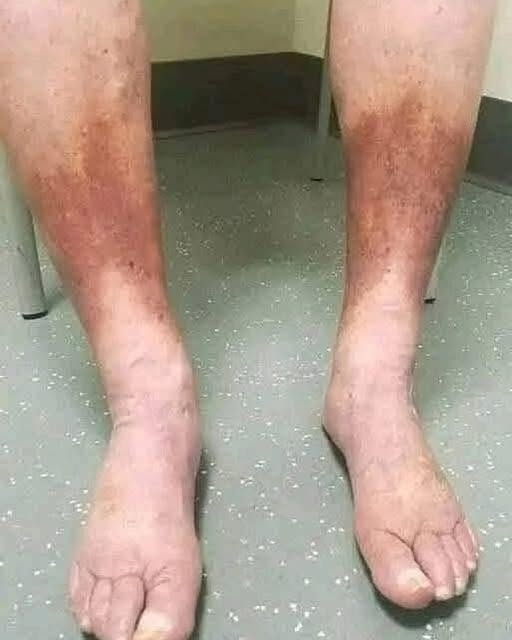
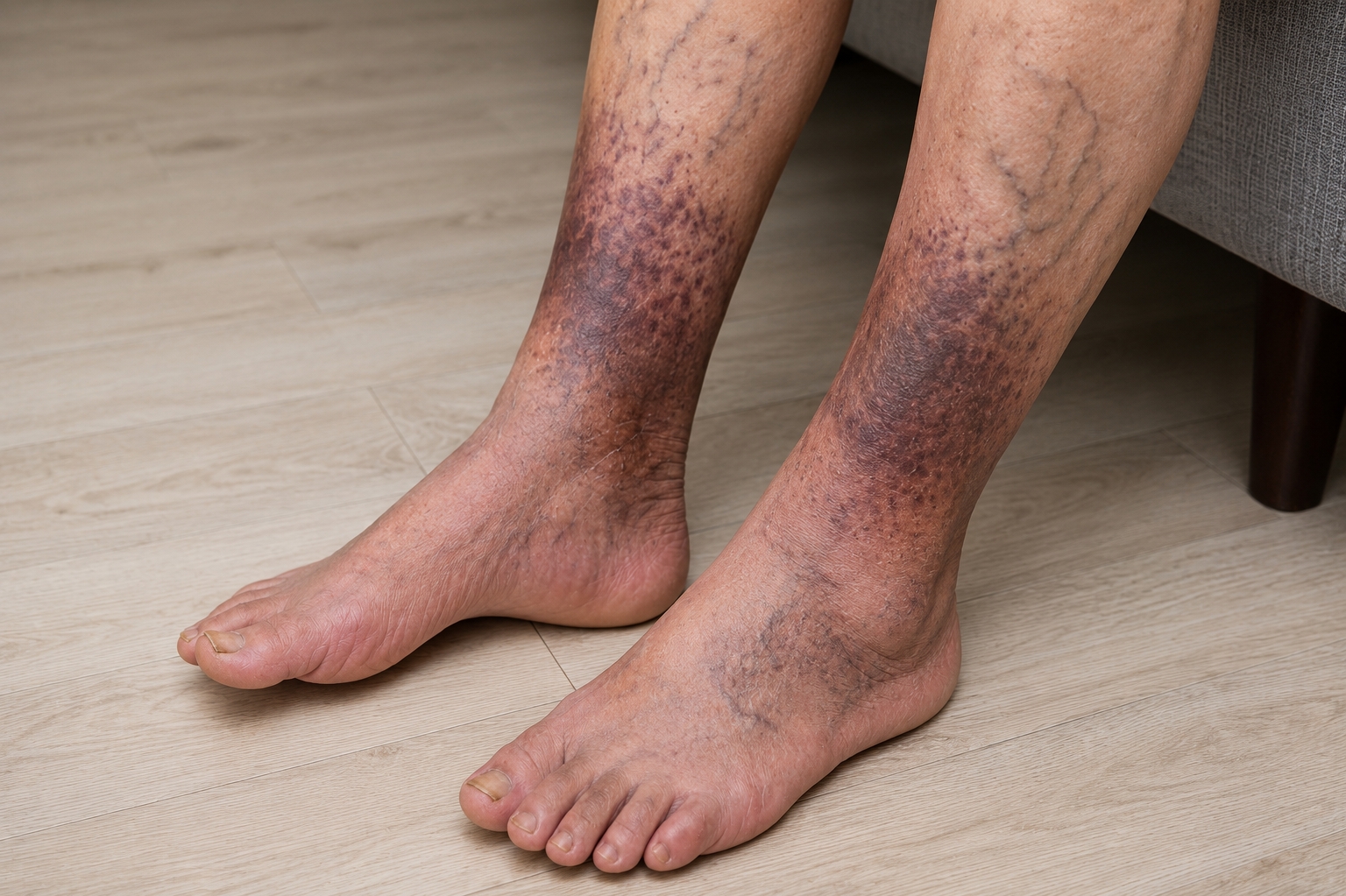
Skin discoloration on the legs is a common issue that can be caused by chronic venous insufficiency (CVI). CVI is a condition characterized by poor blood circulation, leading to blood pooling in the leg veins. Consequently, skin pigmentation changes may occur, especially around the ankles. Darkened or reddish-brown patches of skin are commonly seen in CVI, along with other symptoms such as leg swelling, pain, and itchiness.
Hyperpigmentation
Hyperpigmentation is a condition where certain areas of the skin appear darker than the surrounding skin due to an overproduction of melanin. This can be caused by various factors such as aging, sunburn, and exposure to the sun. An example of hyperpigmentation is Melasma, which often results in the appearance of tan or brown patches on the skin.
Vitiligo
Vitiligo is a condition that affects the pigmentation of the skin, resulting in the appearance of lighter patches. This condition is caused by an autoimmune reaction in which the immune system erroneously attacks the melanocytes that produce melanin. Although vitiligo is not harmful, it can cause emotional distress due to the visible changes in the skin’s appearance.
Eczema and psoriasis
Eczema and psoriasis are inflammatory skin conditions that can cause discoloration. Eczema causes red, itchy patches, while psoriasis results in scaly plaques. Both may be related to immune system abnormalities.
Sun exposure

Prolonged exposure to the sun can cause discoloration on your legs. Ultraviolet (UV) radiation can trigger melanin production, leading to uneven pigmentation or darkening of the skin. To prevent discoloration, it is recommended to wear protective clothing and apply sunscreen when spending extended periods of time in the sun.
Individuals, especially those with lighter skin tones, may experience skin discoloration due to exposure to the sun’s ultraviolet (UV) radiation.
Skin cancer
It is crucial to be aware of potential signs of skin cancer, such as changes in the appearance of a mole. Irregular borders, an increase in size, or a mixture of colors should be checked by a healthcare professional.
Genetic causes
Some individuals may have skin pigmentation disorders such as albinism, characterized by reduced or absent melanin production. Alternatively, tinea versicolor is a fungal infection causing small, discolored patches. Lastly, birthmarks and sun damage are other common reasons for skin discoloration on the legs.
When addressing skin discoloration, it’s essential to consult with a healthcare professional to obtain a proper diagnosis and determine the most appropriate treatment options.
Medications

Drug-induced skin pigmentation can occur with certain medications, including antimalarials and cytostatic treatments.
Fungal infections
Fungal infections can also lead to skin discoloration below the knee. Essential to note that certain types of fungi affect the skin’s pigmentation, resulting in darker or lighter patches. The yeast infection known as Tinea Versicolor, for example, can cause distinct color changes, typically appearing as light or dark brown patches on the skin.
Treatment approaches
When dealing with skin discoloration on your legs, it’s essential to consult with a doctor first to determine the underlying cause.
Compression stockings

Compression stockings are a popular way to improve blood flow and circulation. They can aid in reducing inflammation and minimizing symptoms like itching and swelling in the lower legs and feet. Additionally, incorporating regular exercise into your routine is also beneficial as it promotes healthy blood circulation and strengthens your blood vessels.
Vein treatments

If the skin is discolored due to capillary issues, doctors may recommend sclerotherapy or laser therapy. Sclerotherapy involves injecting a chemical solution into the affected blood vessels, causing them to collapse and fade over time. Laser treatment, on the other hand, uses heat to break down the pigmentation in the blood vessels and lighten the skin.
Hyperpigmentation treatments
Hyperpigmentation is one of the causes of skin discoloration, and it can be treated effectively with chemical peels or topical creams containing hydroquinone. Chemical peels work by removing the outer layers of the skin, which allows the lighter and newer skin to come to the surface. Hydroquinone, on the other hand, inhibits the production of melanin, which is responsible for skin color. These treatments can be very helpful in achieving an even skin tone.
Topical treatments like moisturizers

To alleviate dry or itchy skin, moisturizers can relieve and promote healthier skin. If the inflammation is present, anti-inflammatory creams or medications may be prescribed by your doctor. It’s important to remember that each case is unique, and your doctor may suggest a combination of these treatments or other therapy options to address your specific situation.