Key Takeaways
- Warts are caused by the human papillomavirus (HPV). Different types of warts can appear on various parts of the body.
- Most warts can be treated with over-the-counter remedies or prescription medications.
- Some warts are treated with cryotherapy (freezing) or other specialist procedures.
Warts are small, fleshy growths that appear on the skin due to certain types of the human papillomavirus (HPV). They can vary in shape and size, often causing distress or discomfort, but numerous effective treatments are available.12
How to Identify Warts on Your Skin
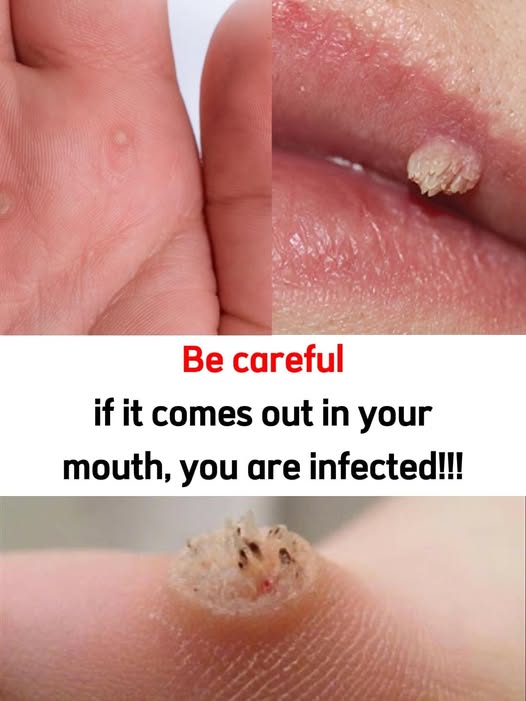
Warts are small raised bumps on the surface of the skin. Most are flesh-colored, although some come in various shades of white, pink, yellow, or brown.3
:max_bytes(150000):strip_icc():format(webp)/GettyImages-1407468016-67568d80f53443f580d613b36765e0f7.jpg)
Some warts have tiny black dots, which are blood vessels that have grown quickly and clotted. This usually appears when a wart is cut or reduced by abrasion.3
:max_bytes(150000):strip_icc():format(webp)/GettyImages-1195040953-e88bce0c06934db4ab2210415b9289b5.jpg)
Warts normally emerge from the top layer of skin in cylindrical columns. On thick skin, the columns can fuse and become packed tightly, creating a mosaic-like pattern on the surface.3
:max_bytes(150000):strip_icc():format(webp)/GettyImages-956873768-ea2feab9d0ac433188b6dad426a6f300.jpg)
What Are the Common Types of Warts?
Warts come in many shapes, sizes, and appearances. They vary based on their location and the specific type of HPV that caused them.
Common Warts (Verruca Vulgaris)
Common warts (verruca vulgaris) are the most frequent type, affecting most people at some point. They have a raised, rough, pebble-textured surface.1
Common warts can occur anywhere on the body but are most often seen:
- On the fingers
- Near the nails
- On the backs of the hands
Warts around fingernails and toenails are called periungual warts, while those under the nails are subungual warts.1
Plantar Warts (Verruca Plantaris)
Plantar warts grow on pressure points of the feet’s soles, which can make standing or walking painful. When they cluster, they form mosaic warts.4 These are especially hard to treat as much of the wart will grow beneath the surface of the skin.
Flat Warts (Verruca Plana)
Flat warts (verruca plana) are small, smooth, and either flat or slightly rounded, also known as plane warts. They often appear in clusters of dozens.1
Their location can differ by age and biological sex, such as:1
- On the legs of adult females
- In the beard area of adult males
- On the face of children
Filiform Warts (Verruca Filiformis)
Filiform warts (verruca filiformis) are an unusual-looking type of wart, forming long, thread-like, or spiky columns that protrude from the skin.1
Filiform warts most often appear on the face, especially:
- Around the eyes
- On or around the nose
- Around the mouth
Genital Warts (Condyloma Acuminata)
Genital warts (condyloma acuminata) can appear around your genitals or anus. They are raised or flat and vary in size. In groups, they may look like cauliflower.
Genital warts are usually painless, but in some people, they cause itching, burning pain, and bleeding.5
While genital warts are technically verrucas, condyloma is the preferred term for any wart on the genitals or anus.
HPV and Cancer
Genital warts are mostly caused by HPV types 6 and 11, while type 16 is linked to a high risk of genital cancer.
Age Warts (Verruca Seborrhoica)
Age warts (verruca seborrhoica) are rough and raised, with colors ranging from light to dark brown. They begin as yellowish skin discolorations before becoming raised warts.6
Age warts often appear from the age of 40 and increase in size and number with age. The condition is generally more common in people with fair skin than with dark skin.6
Age warts mainly occur in the following locations:
- On the upper back
- On the forehead
- On the backs of the hands
Since age warts can resemble skin cancers like melanoma, it’s wise to regularly see a dermatologist for a full-body check.
Complications of Warts
Warts don’t generally cause complications, but a few problems are possible. Among them:
- If you pick at or cut a wart, it can become infected.
- In people with compromised immune systems, warts can be especially difficult to treat.7
- While genital warts are not commonly linked to cancer, such as cervical and anal cancer, they are sexually transmitted—as are other types of HPV that do cause cancer. To prevent the spread of sexually transmitted HPV, use condoms and reduce your number of sex partners.5
Everything You Should Know About Warts
This video has been medically reviewed by Casey Gallagher, MD.
Causes and Who’s at Risk
HPV includes over 350 viruses that can lead to various warts and skin lesions. Many HPV infections are symptomless and clear up on their own within two years without lasting effects. Over 40 types are sexually transmitted.8
Warts are contagious and spread through skin contact, especially with cuts or abrasions. HPV can also be transmitted via contaminated objects or surfaces, like shared razors or locker room floors, though this is less common.2
You may be more likely to get warts if you:9
- Are a child or teenager
- Bite your nails or pick at the skin around them
- Are immune-compromised, like people with HIV or those undergoing chemotherapy
- Have unprotected sex with someone who has genital warts
- Have multiple sex partners
Diagnostic Steps
Warts are easy to diagnose, and most people can identify them on their own, especially if they’ve had them before. If you’re unsure, your healthcare provider can usually diagnose it by sight.
See a healthcare provider if warts are on the face or genitals, or if they change color or shape, or start bleeding.
If a provider suspects skin cancer or a precancerous growth, they might order a skin biopsy, with a small tissue sample analyzed under a microscope. This is usually not needed for most warts.
Safe and Effective Treatments
Most warts go away in weeks or months without treatment, but some can take years to clear. Since they can be uncomfortable or unsightly, many people choose to remove them.
Simple over-the-counter remedies can treat many warts. If these don’t work, prescription drugs or in-office treatments might be needed.
Home Remedies
A popular home remedy for wart removal is the duct tape method. For this procedure, you would put a piece of duct tape on the wart and leave it for six days. You would then remove the tape, soak the wart in water, and pare it down with an emery board.10
If the wart remains, wait 24 hours and try again. Repeating this process may be necessary based on the wart’s size and location.
Though studies show mixed results for the duct tape method, it remains a safe option for adults and children with minimal side effects.10
Over-the-Counter (OTC) Wart Medications
Salicylic acid is a common and effective over-the-counter (OTC) wart remover. It’s available in various forms, including oils, drops, and adhesive pads or strips.
Apply salicylic acid to a wart and let it dry. Some suggest using a pumice stone or emery board on the wart before application. Soaking the wart in water before applying the acid and covering it with a bandage can help with absorption.11
Some popular salicylic acid wart removers include:
- Compound W
- Dr. Scholl’s Clear Away
- DuoFilm
- Wart-Off
Another OTC choice is a home freeze kit, or home cryotherapy. These use a mix of propane and dimethyl ether to freeze and destroy wart tissues. Just point the applicator at the wart and spray.
Options include:
- Skin Clinic Freeze & Clear
- Dr. Scholl Freeze Away
- Compound W Nitro Freeze
At-home wart freeze kits should never be used on the face. They are intended for use only on the feet or hands.
Prescription Wart Medications
When OTC remedies aren’t effective, there are topical medications available by prescription that can be applied to warts at home:
- Imiquimod is a topical cream that treats non-melanoma skin cancers and anal or genital warts.12
- Retin-A (tretinoin) is a topical cream that is particularly effective in treating flat warts.13
These products are applied once daily or several times a week per your healthcare provider’s instructions. A wart should clear within nine to 12 weeks, depending on its severity.
Surgeries and Specialist-Driven Procedures
Larger warts or those that resist treatment may require in-office care by a dermatologist. Some of the treatments are applied topically or injected into a wart to break down tissues. Others directly ablate (remove) tissues with either cold or heat.
Once the tissues have been broken down or reduced, the remaining tissues can be debrided (scraped) or excised (cut out).
Generally speaking, topical therapies and direct ablation methods are pursued before injections. Many injectable wart therapies are still regarded as experimental.
Specialist treatment options include:
- Topical therapies: These include chemical irritants like bleomycin, cantharidin, glutaraldehyde, formalin, and podophyllin, or acids like lactic acid and trichloroacetic acid (TCA). Several applications may be needed.3
- Cryotherapy: This involves the application of liquid nitrogen, usually with a swab, to freeze and kill a wart. After the wart crusts over and falls away, the underlying skin will usually heal with minimal scarring.14
- Electrodesiccation and curettage: This is a procedure in which a wart is burned with an electrical needle or probe. Afterward, the dead tissue is scraped away with a spoon-shaped tool called a curette.15
- Intralesional vitamin D injections: Injections with vitamin D3 have been used with varying degrees of success. One study involving 64 people with treatment-resistant warts reported that 90% experienced complete clearance after four treatments.16
- Intralesional immunotherapy: This is a newer approach in which an injection of the MMR (mumps, measles, rubella) vaccine or Candida antigen stimulates the immune system to clear the wart. It usually involves five once-monthly injections.17
Treatment-resistant warts tend to benefit from a combination of immunotherapy and topical or injected therapies. Doing so nearly doubles the chances of success compared to a single treatment.12