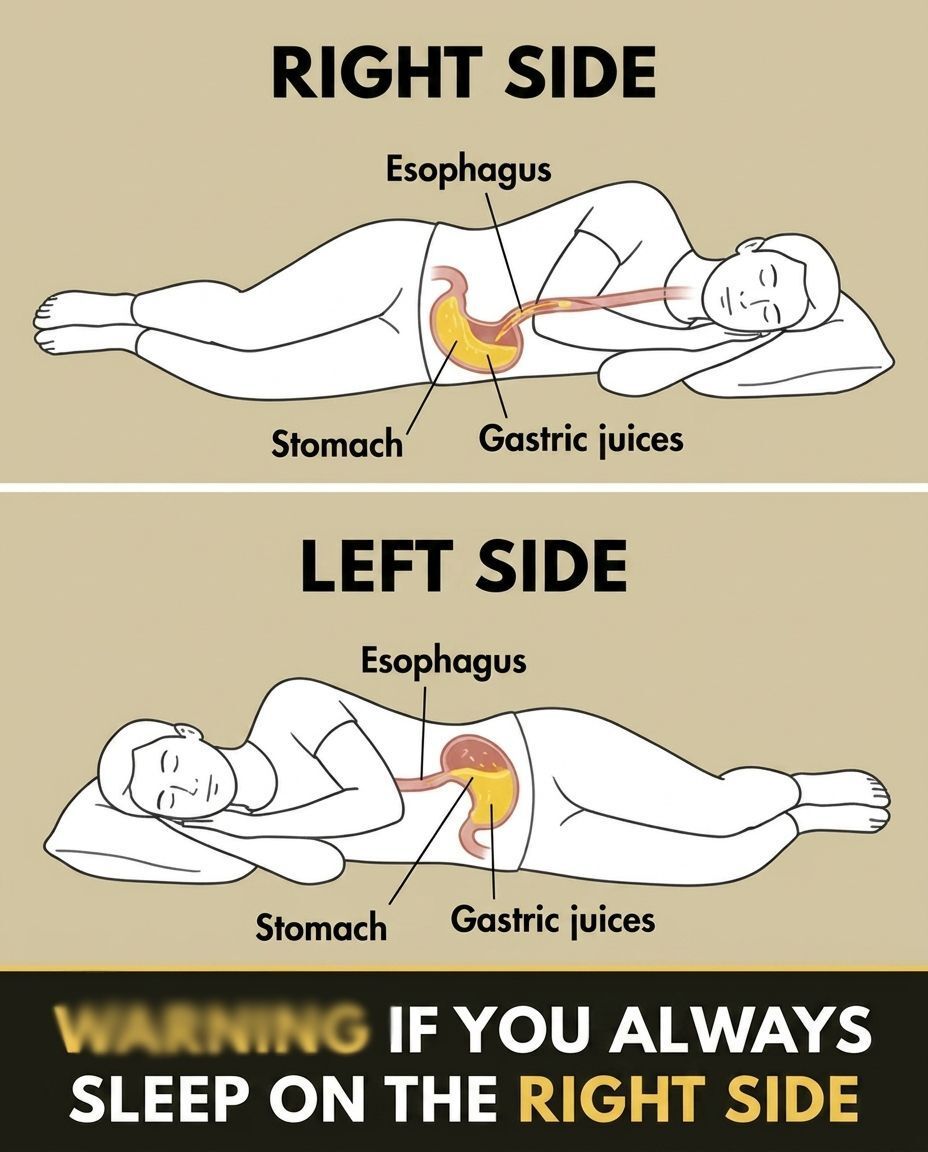

We often hear that sleeping on the left or right side makes a difference, but we rarely understand why. In reality, your sleeping position can affect both your comfort and overall well-being. Here’s a simple explanation.
You’ve probably been told that one side is better than the other, yet the reasons are often unclear. With so many conflicting opinions—from family advice and common myths to online information—it’s easy to feel confused. Still, the way you sleep can influence how rested you feel and how comfortable your nights are. Before changing your habits, it’s worth understanding the basics.

Sleeping on Your Left Side: How It May Affect Comfort
Sleeping on your left side is frequently recommended for better sleep quality and comfort. Many people find this position helpful, especially after eating, as it can create a lighter, more comfortable feeling during the night. Some also report fewer sleep interruptions and a greater sense of rest.
That said, there is no one-size-fits-all rule. Every body reacts differently, and what works for one person may not suit another. The most important thing is choosing a position that helps you relax and fall asleep easily.
For some, lying on the left side also brings a sense of stability and calm, particularly during periods of stress or fatigue. Many people naturally adopt this position because it feels secure and allows the body to relax more fully.

Right Side or Back: Choosing What Feels Best
Sleeping on your right side or on your back is just as common and can be equally comfortable depending on personal preference. Lying on your back is often appreciated for the alignment it provides, though some find it less ideal if they move around a lot during sleep.
Sleeping on the right side, on the other hand, may help certain people feel more physically relaxed, although this varies widely. Rather than searching for a “perfect” position, it’s more helpful to notice which one improves your sleep quality the most.
Some people benefit from experimenting with different positions over time to discover what suits them best. Sleep comfort can change with age, stress levels, or fatigue, so it’s normal not to use the same position every night.
Overall, maintaining a consistent bedtime routine is just as important, as it helps create a more stable and restful sleep pattern.

Finding Your Ideal Position: Listen to Your Body
Beyond general advice, the best sleeping position is the one that truly feels right for you. Your body often sends subtle signals—like morning stiffness, nighttime discomfort, or a strong feeling of deep rest.
Small adjustments, such as changing your pillow, improving your posture, or creating a better sleep environment, can make a big difference. Instead of following strict rules, focus on tuning in to your body and adapting gradually.
It can also help to slightly vary your sleeping position when you feel tension, allowing your body to release stress naturally. The goal isn’t to make drastic changes, but to gently adjust your habits to support lasting comfort.
In the end, truly restful sleep comes down to listening to your body, maintaining consistency, and creating a calm, supportive environment.